A Shed Base Doesn't Have a Retro
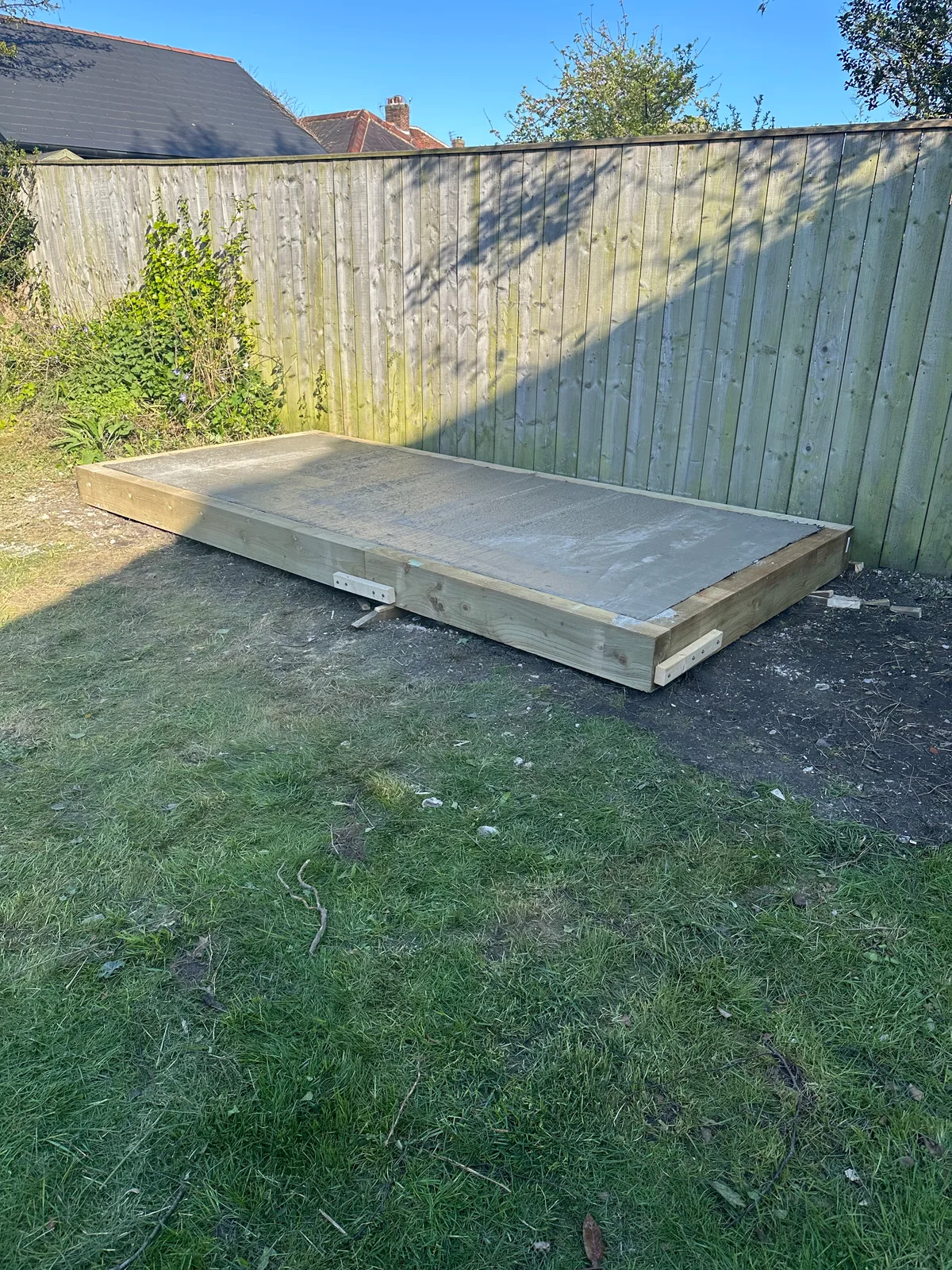
I spent two days pouring a concrete shed base and felt more accomplished than months of software work. Turns out completion hits
different when you can stand on it.
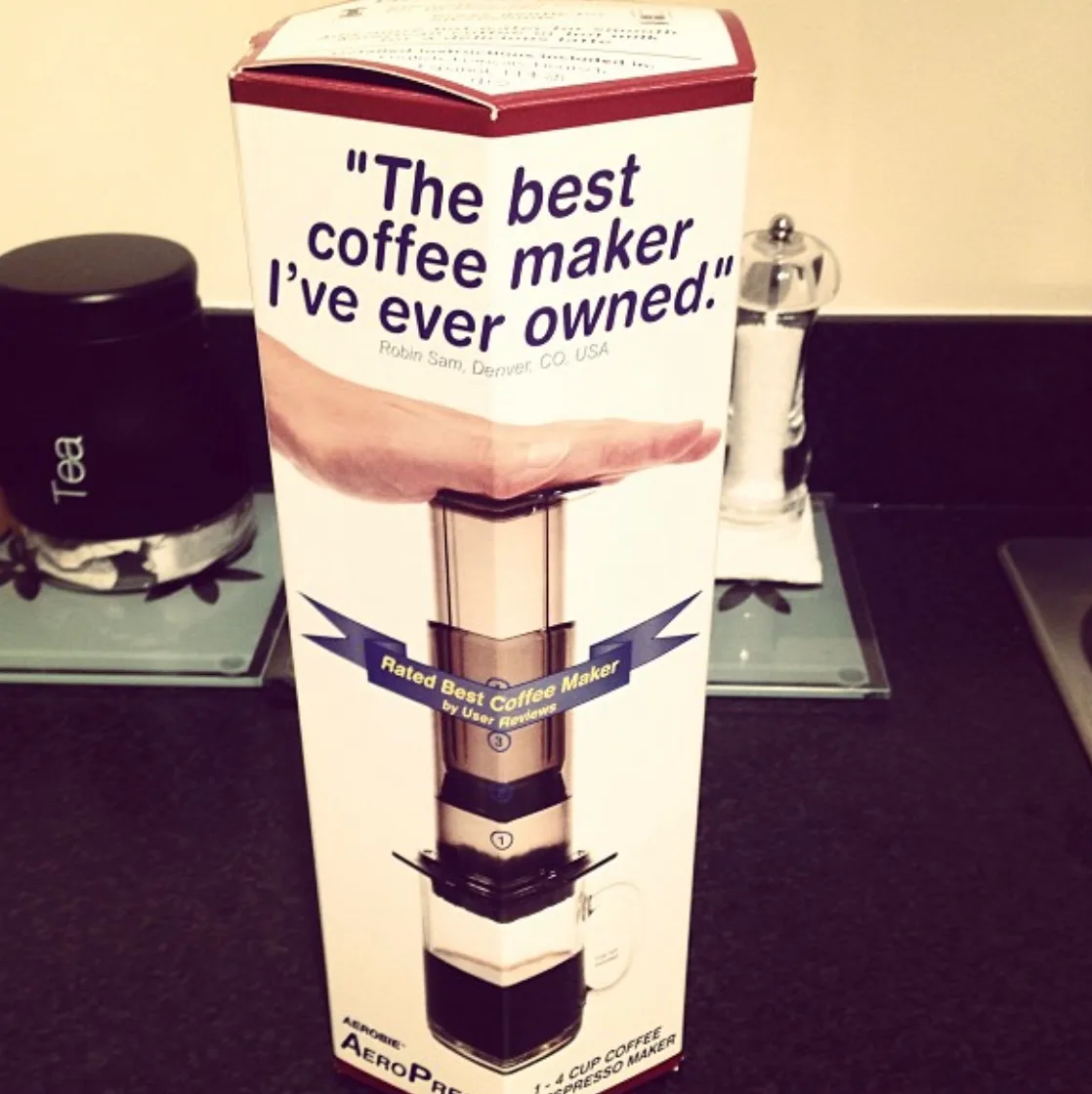
Back in 2012, my journey into coffee started in a fairly unassuming way, with an Aeropress. At the time, it felt like the perfect entry point: simple, forgiving, and capable of making a really good cup of filter coffee for one. It opened my eyes to the idea that coffee could be something to experiment with, tweak, and genuinely enjoy rather than just consume.
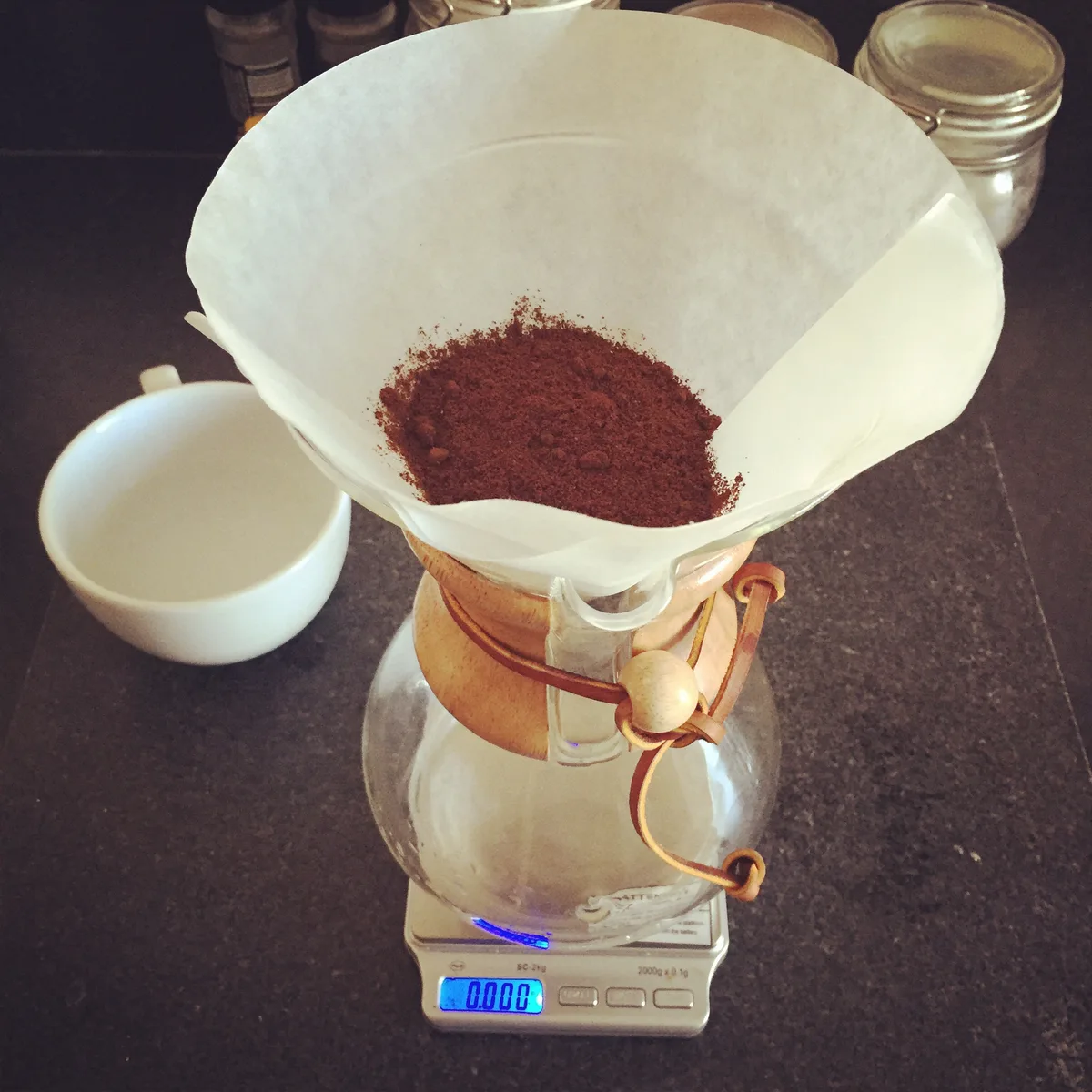
Coffee, however, is best shared. When friends or family came over, the Aeropress quickly showed its limitations. Brewing multiple cups back-to-back wasn’t ideal, so I upgraded to a Chemex. It was a beautiful piece of kit and excellent for making larger batches of clean, well-balanced filter coffee, but it had drawbacks. Brewed for one, it cooled too quickly, and most people preferred their coffee with milk. Filter coffee, especially from a Chemex, really shines when drunk black, and that mismatch nudged me toward espresso.
Eventually, I made the plunge. I picked up a Gaggia Classic on an Amazon Warehouse deal, paired initially with a blade grinder. Unsurprisingly, the grinder wasn’t up to the finesse required for espresso, so it was quickly replaced with a second-hand Eureka Mignon. That upgrade alone felt transformative.
Not long after buying the Gaggia, I managed to snag a Mazzer Super Jolly on eBay. It was brand new, still in the box, from a café that had closed down and kept it as a spare. Compared to the Mignon, it was a huge step up in grind quality and consistency. It wasn’t perfect though — the doser was messy, and grind retention made dialing in new beans frustrating, with old grinds constantly getting in the way.
Despite its quirks, the Gaggia paired with a serious grinder setup lasted me over five years, and I learned a lot along the way. Its biggest weakness was steaming milk for guests. Even with a steam wand upgrade and plenty of temperature surfing, it struggled when making multiple milk-based drinks.
In 2019, an unexpected tax rebate gave me the excuse I didn’t really need. I sold both the Mazzer and the Mignon to a friend and upgraded to a second-hand Eureka Zenith 65e. It’s an absolute beast, but far more user-friendly than the Super Jolly. With titanium burrs and plenty of life left in it, this feels like an end-game grinder for me.
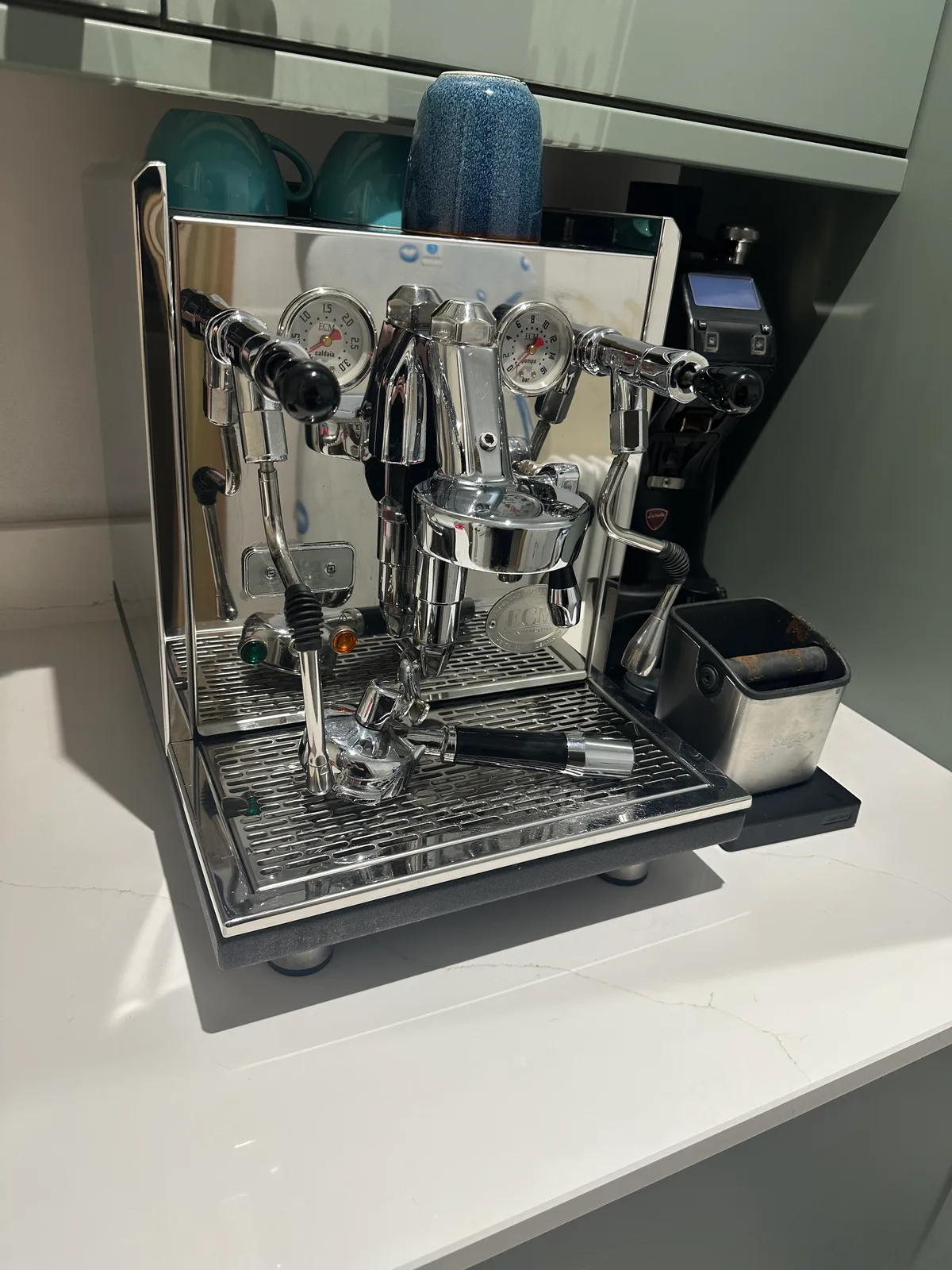
Around the same time, I finally took the leap and ordered an ECM Synchronika dual boiler. This was the point where everything clicked. Temperature stability, powerful steam, and overall build quality completely changed my daily coffee routine. Making coffee for guests stopped feeling stressful and started feeling effortless.
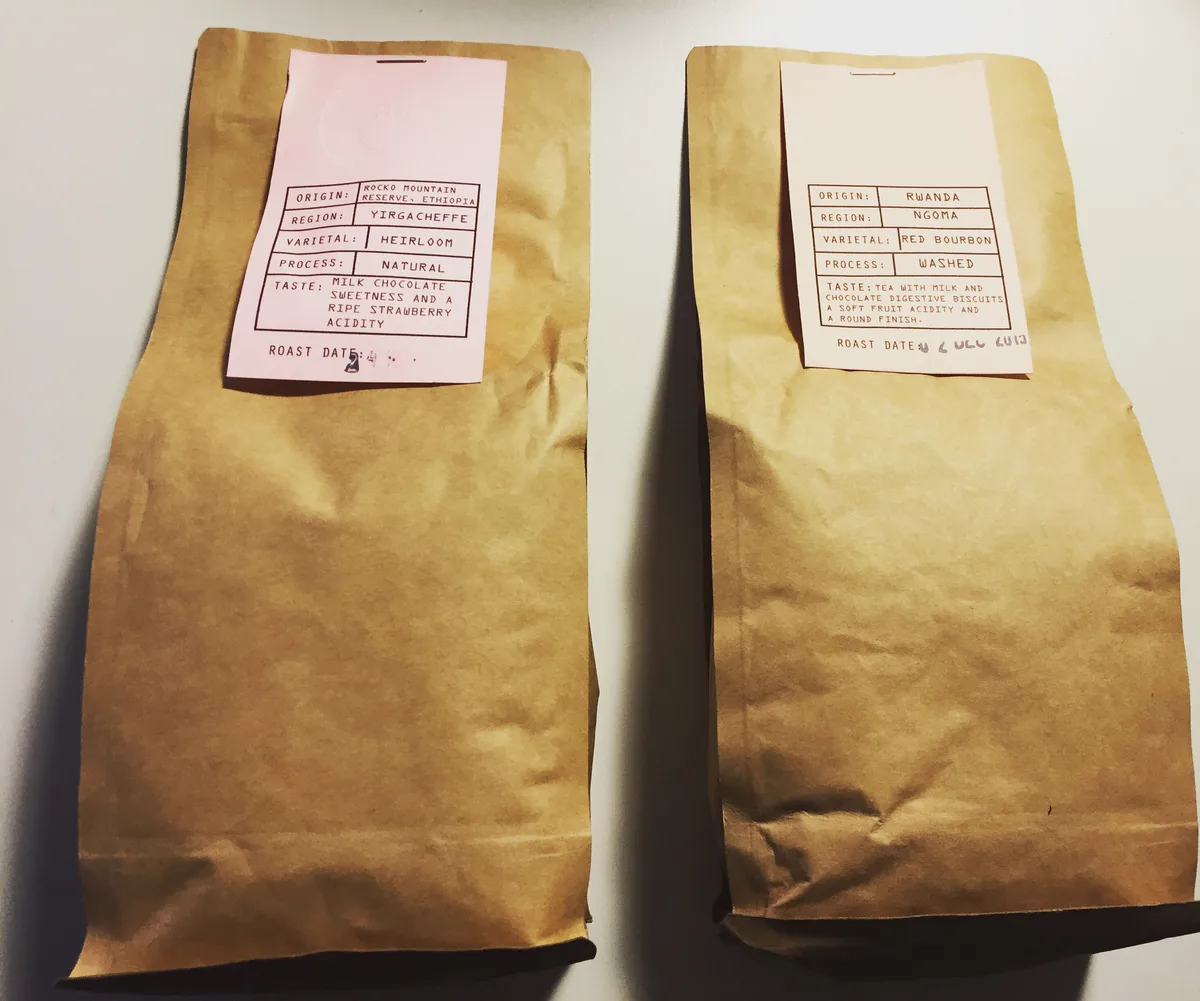
Today, this is where I’m at. My latte art still isn’t great, but the coffee I make at home is better than what I get in most places on the high street, and for a fraction of the price. If I’m honest, I’ve become a bit of a coffee snob — home coffee beats cafés almost every time in my experience.
More than anything though, coffee has stuck with me because it fits so naturally into my daily life. It’s a hobby I genuinely enjoy, but it’s also part of my morning routine — a small ritual I look forward to every day. Dialling in a shot, steaming milk, and taking those first sips helps set the tone for the day ahead.
It really comes into its own when guests are over. The smell of fresh coffee filling the kitchen, being able to make multiple milk-based drinks quickly, and keeping conversation flowing is something I value a lot.
On top of that, I still love experimenting. Trying new beans, blends, and roasts keeps things interesting and means there’s always something new to learn or tweak. More than a decade on, it’s no longer just about the gear — it’s about the ritual, the sharing, and the simple enjoyment of making great coffee at home.